Alyssa Towns


Articles
How Can You Measure Internal Communications Effectiveness?
May 8, 2026
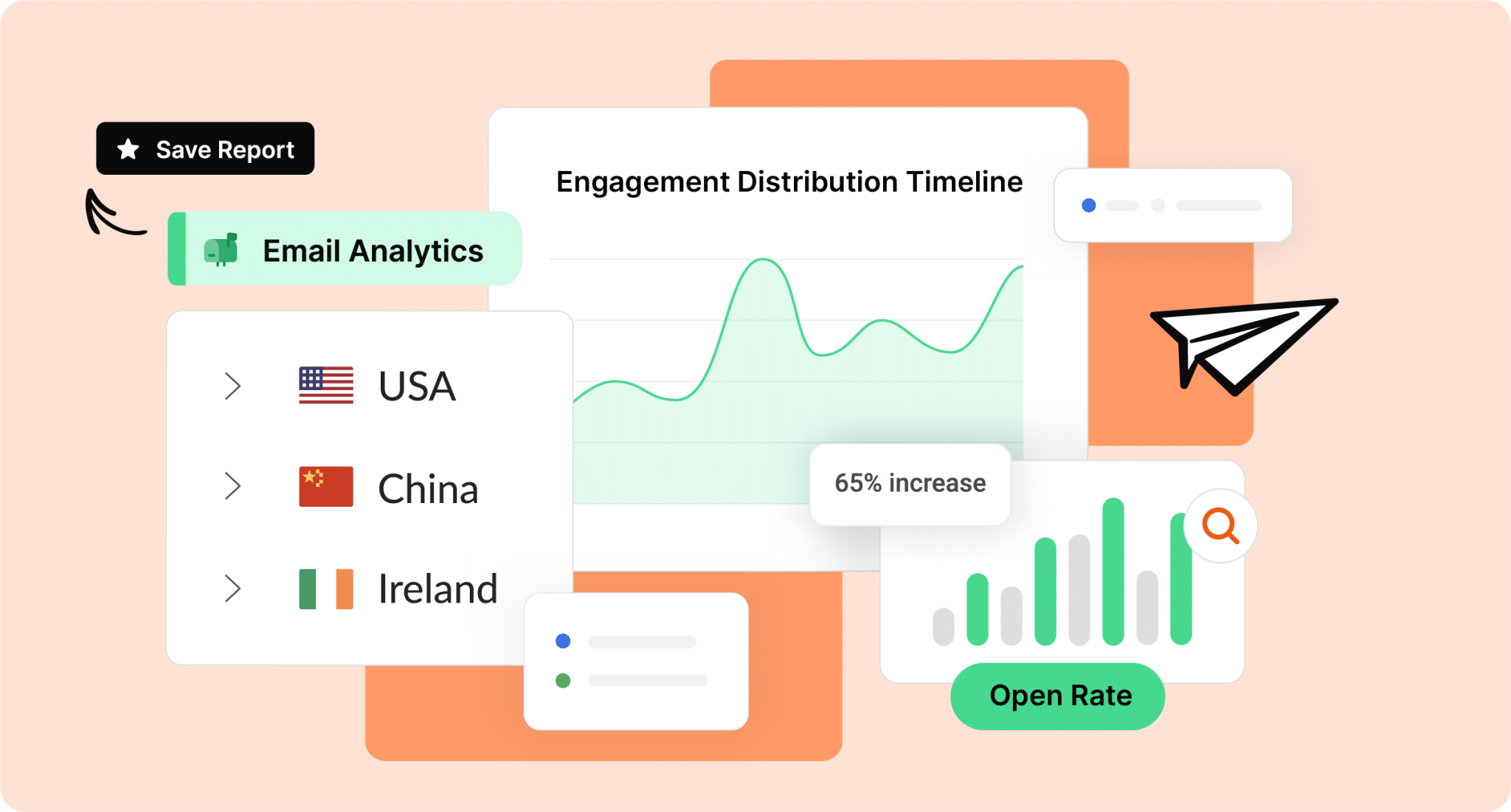
Measuring internal communication effectiveness involves understanding whether employees received, understood, and acted on information, and whether it improved alignment and business outcomes. The problem is that most organizations stop at delivery. They (maybe) check open and click-through rates and move on, never truly knowing whether the communication actually did what they intended. They equate delivering

What Is an Internal Communications Brief, and Why Does Every IC Team Need One?
May 1, 2026
Years ago, I worked for an organization navigating significant change. Following a CEO transition, our new CEO restructured our team and sought support with the announcement, with little time to prepare. The leaders I worked closely with on all staff announcements jumped right into creating a slide deck for our all-hands meeting, complete with detailed

What Are the 7 Employee Engagement Trends Redefining Workplaces in 2026?
Apr 24, 2026
What’s shaping the latest trends in employee engagement in 2025? It’s not just changing job titles or tech upgrades—it’s a collision of evolving values, demographic shifts, and a workplace environment defined by constant change. Check out what’s trending this year for employee engagement and how you can adapt your employee engagement strategies.

How Can You Use AI for Employee Onboarding in 2026?
Apr 17, 2026
ContactMonkey’s Global State of Internal Communication (GSIC) 2026 Report revealed that the number one focus area for internal communicators is artificial intelligence in the workplace (57%). And with IC teams reporting a moderate influence across key organizational outcomes, including driving company culture, reaching a dispersed workforce, and enabling people managers, it makes sense to explore

An Internal Communicator’s (Honest) Review of ContactMonkey
Apr 10, 2026
As an internal communications pro with experience supporting small-to-mid-sized teams, I know how it feels to be wrapped up in the tactical execution of the work, to the point where you lose sight of and time for strategic development. I also know what it feels like to be part of an understaffed (and even solo)

What Are the 10 Best Employee Pulse Survey Types to Use in 2026?
Apr 3, 2026
As an internal communicator, you play a pivotal role in shaping your workplace culture. Whether it’s measuring employee sentiment, improving employee engagement, or refining leadership strategies, pulse surveys are your secret weapon. Read along as we explore 15 types of pulse surveys that will garner real-time, actionable feedback.
Employee Pulse Surveys: Complete Guide For 2026 Success
Mar 27, 2026
In this post, we’ll guide you through everything you need to know about pulse surveys—from designing the right pulse survey questions to sharing results in a way that fosters trust and drives action.

What Are the Best Employee Survey Practices to Follow in 2026?
Mar 20, 2026
According to ContactMonkey’s Global State of Internal Communications (GSIC) 2026 Report, 95% of surveyed communicators said their organization actively collects employee feedback. Gathering feedback is seldom the challenge, nor is it a differentiator in today’s workplaces. Acting on employee feedback is where the real magic happens. The most effective employee surveys are not tools that

How Can You Measure the Effectiveness of Your Employee Newsletter Analytics?
Mar 13, 2026
Internal newsletter analytics can help you be confident that your message resonates with employees. We share our best tips for using employee newsletter analytics to revamp and revitalize your staff newsletter.